Free Delivery & Free Professional Assembly On All Beds


How to Choose the Right Single Bed for Your Room

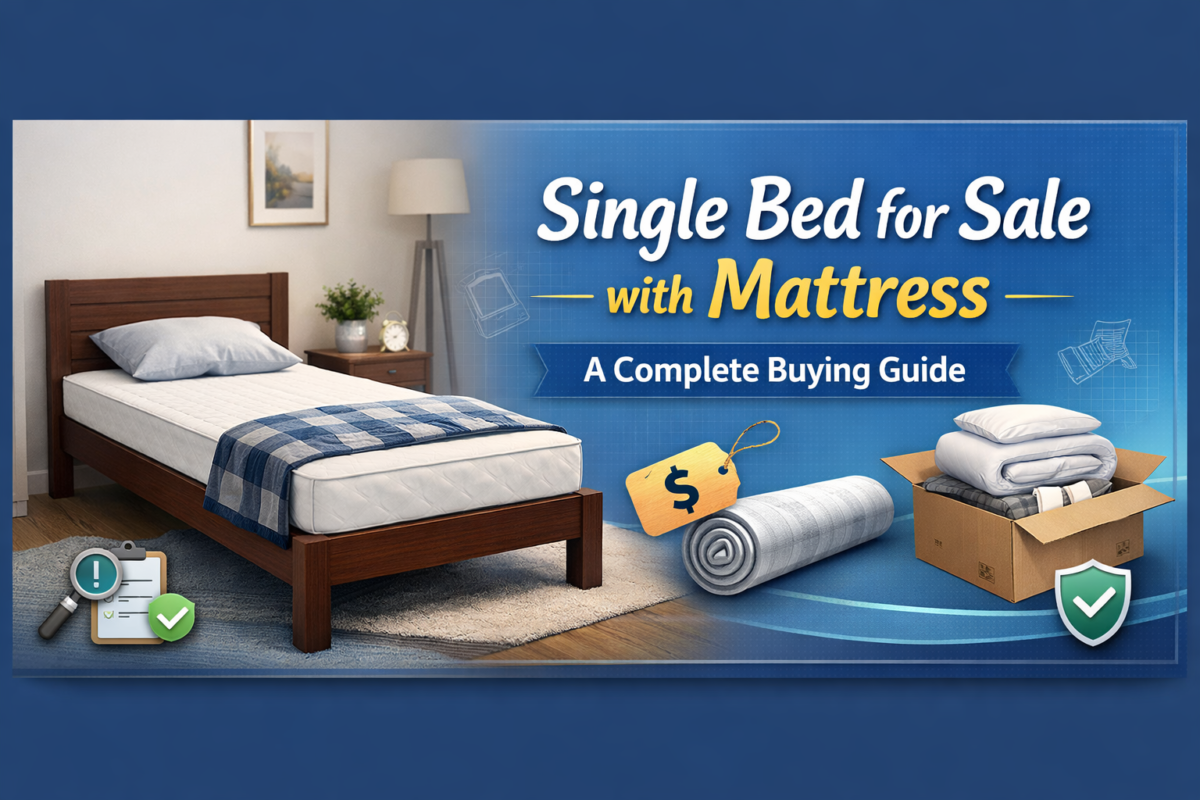
Choosing a single bed sounds simple, until you start thinking about UK bed sizes, how much floor space you actually have, whether you need storage, and what mattress will give you the best sleep. The right single bed should do three things at once: fit your room properly, feel comfortable every night, and make your space easier to live in.
This guide is written for a UK audience and will walk you through every key decision in a clear, practical way, so you can buy with confidence and avoid the most common mistakes.
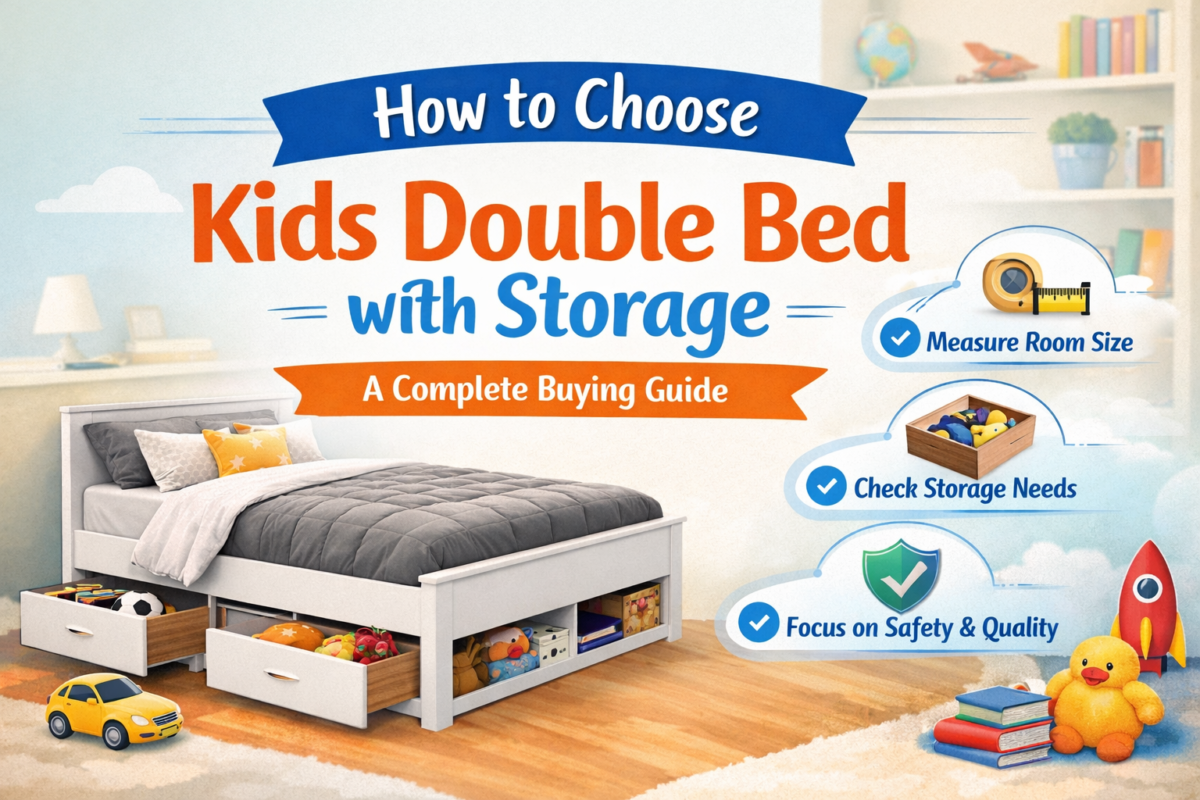
1) Start With Accurate Room Measurements
Before you look at styles or fabrics, measure your room properly. Many people focus only on whether the bed fits, but forget about walking space, door openings, and wardrobes.
Measure and note:
- Room width and length, wall to wall
- Door swing clearance, your bed should not block the door opening fully
- Walkway space, aim for 60 cm where possible, 45 to 50 cm can work in tight rooms
- Wardrobe and drawer clearance, leave enough room to open doors and drawers
- Radiators and windows, avoid blocking heat flow and window access
Quick tip: Sketch your room on paper and mark where the bed, wardrobe, and chest of drawers will go. This makes size decisions much easier.
2) Understand UK Single Bed Sizes
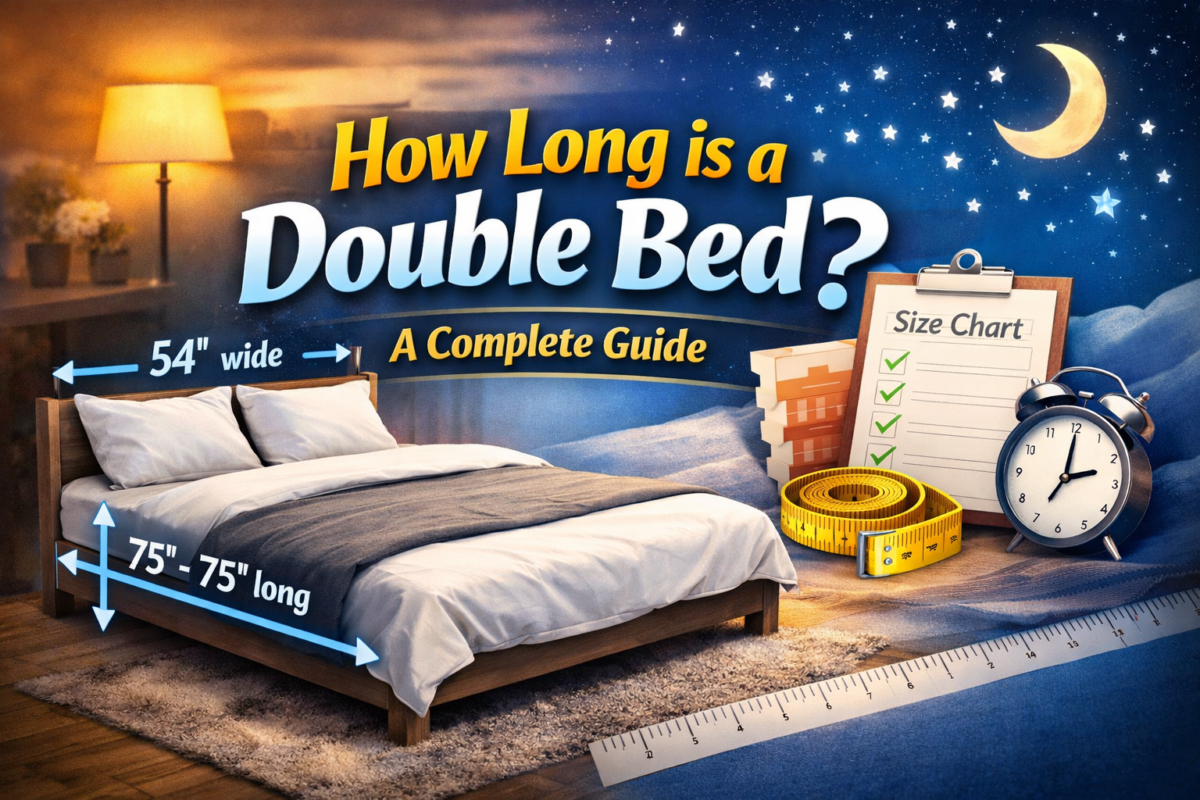
In the UK, single bed can mean a few different sizes. Knowing the difference helps you avoid ordering the wrong mattress or bedding.
Small Single, 75 cm x 190 cm
Best for: Young children, small box rooms, narrow spaces
Benefits: Saves space and keeps the room feeling open
Consider: Can feel tight for teens and adults
Standard UK Single, 90 cm x 190 cm
Best for: Kids, teens, guest rooms, many smaller adult bedrooms
Benefits: The most common size, easy to find bedding and mattresses
Consider: Tall sleepers may want more length
Long Single, 90 cm x 200 cm
Best for: Taller teens and adults
Benefits: Extra legroom and better overall comfort
Consider: Make sure you buy the correct mattress size, 90×200
Simple rule to decide:
- Tight room, choose small single
- Most common choice, choose 90×190
- Tall sleeper, choose 90×200
3) Match the Bed to the Room’s Purpose
A single bed is not one size fits all. Your right choice depends heavily on how the room is used.
Children’s Bedroom
- Look for a sturdy, safe frame
- Consider rounded edges and a lower bed height
- Storage can help reduce clutter, toys, bedding, seasonal clothing
Teen Bedroom
- Comfort becomes more important as they grow
- A long single may be a better long term investment
- Upholstered styles and modern frames often suit teen rooms well
Guest Room
- Prioritise comfort and flexibility
- Medium firm mattresses suit most visitors
- Daybeds or trundles can offer extra sleeping space without taking over the room
Box Room or Studio Flat
- Space saving is key
- Storage beds can replace some wardrobe space
- Lighter colours and slim frames help the room feel bigger
4) Choose the Right Bed Frame Type
Bed frames are not only about looks. They affect storage, ease of use, and how comfortable the bed feels.
Ottoman Single Bed
Why people love it: Maximum storage under the whole bed base
Ideal for: Smaller rooms, limited wardrobes, tidy living
What to check: Smooth gas lift mechanism and a strong base
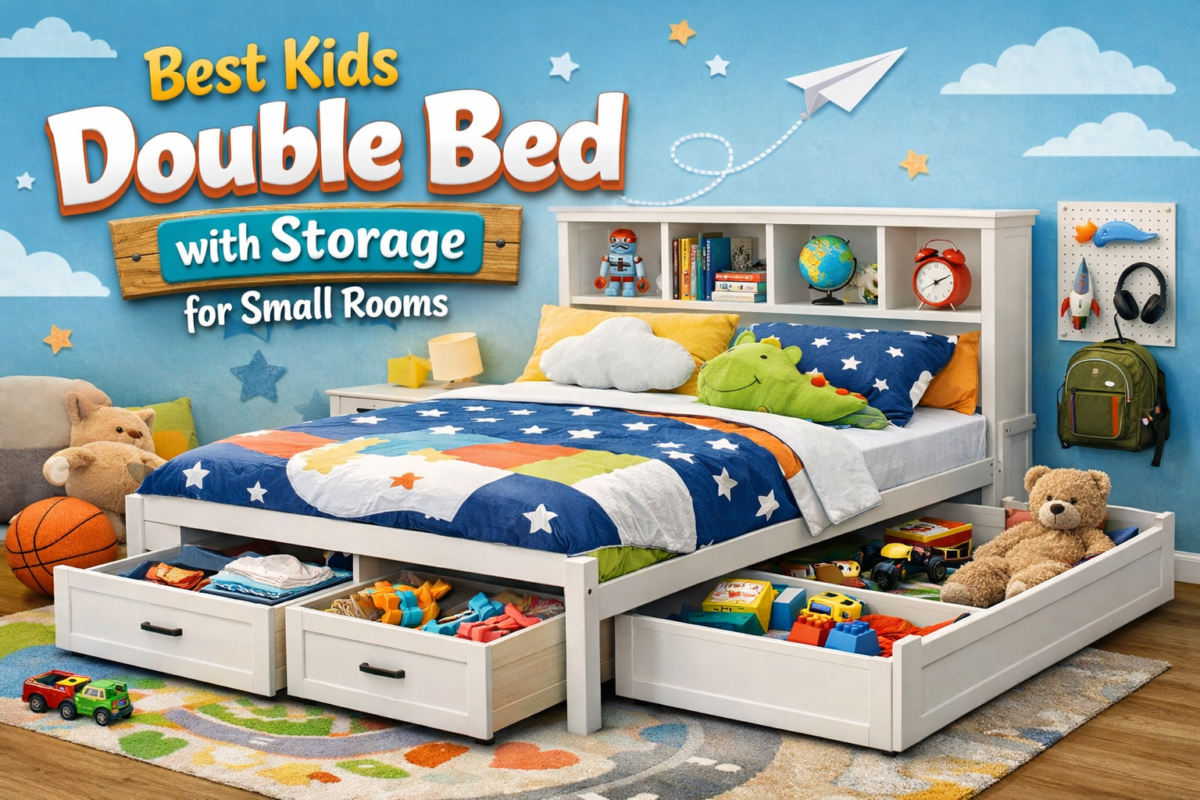
Drawer Storage Bed
Why it works: Quick access storage for everyday items
Ideal for: Kids’ rooms, shared rooms
What to check: You need enough clearance on the side to open drawers fully
Divan Single Bed
Why it is popular: Practical, supportive, and often available with storage
Ideal for: Guest rooms, clean and simple interiors
What to check: Headboard compatibility if you want one
Wooden or Metal Bed Frames
Why they suit many homes: Classic, durable, often visually lighter
Ideal for: Minimalist or traditional styles
What to check: Slat quality, poor slats reduce support and comfort
5) Mattress Choices That Improve Sleep
A great bed frame helps, but your mattress is what your body actually feels every night. If your mattress does not support your sleeping style, you will notice it quickly, especially in your back, shoulders, and hips.
Picking the Right Firmness
- Side sleepers, medium to medium firm for shoulder and hip pressure relief
- Back sleepers, medium firm for natural spine alignment
- Front sleepers, firmer to prevent hips sinking too much
- Children, usually best with supportive medium firm options
Common Mattress Types, Easy Breakdown
Memory foam: Moulds to your body and reduces pressure
Good for comfort seekers and joint pressure relief
Note, check breathability if you get warm at night
Pocket sprung: Individual springs for support and airflow
Good for balanced support and cooler sleep
Note, often a good all round choice for guest rooms
Hybrid: Foam plus springs
Good for a balance of comfort and support, plus better airflow
Do Not Forget Mattress Height
Some frames, especially daybeds, trundles, or certain storage bases, work best with specific mattress depths. Always check what your chosen frame is designed to accommodate.
6) Decide if You Need Storage
Many UK bedrooms are compact, and storage can make a bigger difference than you expect. A storage single bed can help keep the room calm, tidy, and practical, without adding extra furniture.
Storage beds are useful for:
- Spare duvets and pillows
- Seasonal clothes
- Kids’ toys
- Suitcases and travel items
- Extra towels and linens in guest rooms
Which storage option is best:
- Ottoman, best for maximum storage and items you do not need daily
- Drawers, best for everyday use, quick access, and organisation
7) Style Tips to Make Your Room Look Bigger
The right single bed can make a small room feel more spacious, especially if you choose the right visual features.
For smaller rooms:
- Choose lighter shades, soft grey, cream, neutral tones
- Pick slimmer headboards and cleaner lines
- Consider frames with legs, visible floor space makes rooms feel larger
- Avoid overly bulky designs if the room is narrow
For a more premium look:
- Upholstered headboards can add comfort and style
- Textured fabrics and simple bedding create a modern, cosy feel
8) Quality Checks That Save You Money Long Term
It is easy to focus on design and forget durability. A single bed should be stable, quiet, and supportive, especially if it is for daily use.
Check these before buying:
- Frame strength, no wobble, strong joints, solid fittings
- Slats, thick enough, well spaced, and properly supported
- Support structure, central support where needed
- Materials, easy to clean upholstery is ideal for kids and guest rooms
- Noise control, poor build quality leads to squeaks over time
For kids, prioritise safety and avoid sharp corners and unstable designs.
9) Budget, Focus on Value
A cheaper bed can cost more later if it wears quickly, creaks, or does not support your mattress properly.
A smart budget approach:
- Invest in a supportive mattress if the bed is used daily
- Choose a strong frame to protect mattress performance
- Consider a storage bed as a space saving investment, it can reduce the need for extra furniture
Common mistake: Buying a good mattress but pairing it with a weak frame. A poor base reduces comfort and can shorten mattress life.
10) Delivery and Access for UK Homes
In many UK homes, tight staircases and narrow hallways are common. It is worth thinking about how your bed will get into the room.
Before ordering, consider:
- Can the packaging fit up the stairs
- Does the bed arrive flat packed or partially assembled
- Is there enough space in the room to build it
- For ottomans, is there room to lift the base comfortably
Even a perfect bed can become a headache if access has not been considered.
11) A 60 Second Checklist Before You Buy
- Have you measured the room, including doors and wardrobes
- Have you chosen the correct UK single size
- Do you need storage, ottoman or drawers
- Does the mattress type match your sleeping position
- Is the frame strong with good quality slats or support
- Will delivery access be easy, stairs and hallway
- Is bedding easy to find for your chosen size
Conclusion
The right single bed is not just the one that fits. It is the one that improves your space and your sleep. When you measure properly, choose the correct UK size, pick a frame that matches your storage needs, and select a mattress that supports your sleeping style, you end up with a setup that feels better every single day.
If you want to explore single bed options that suit UK room sizes and practical everyday needs, you can browse Excellency Beds to compare styles, storage designs, and comfort focused choices in one place.