Free Delivery & Free Professional Assembly On All Beds


Are Memory Foam Mattresses Good? A Complete Guide

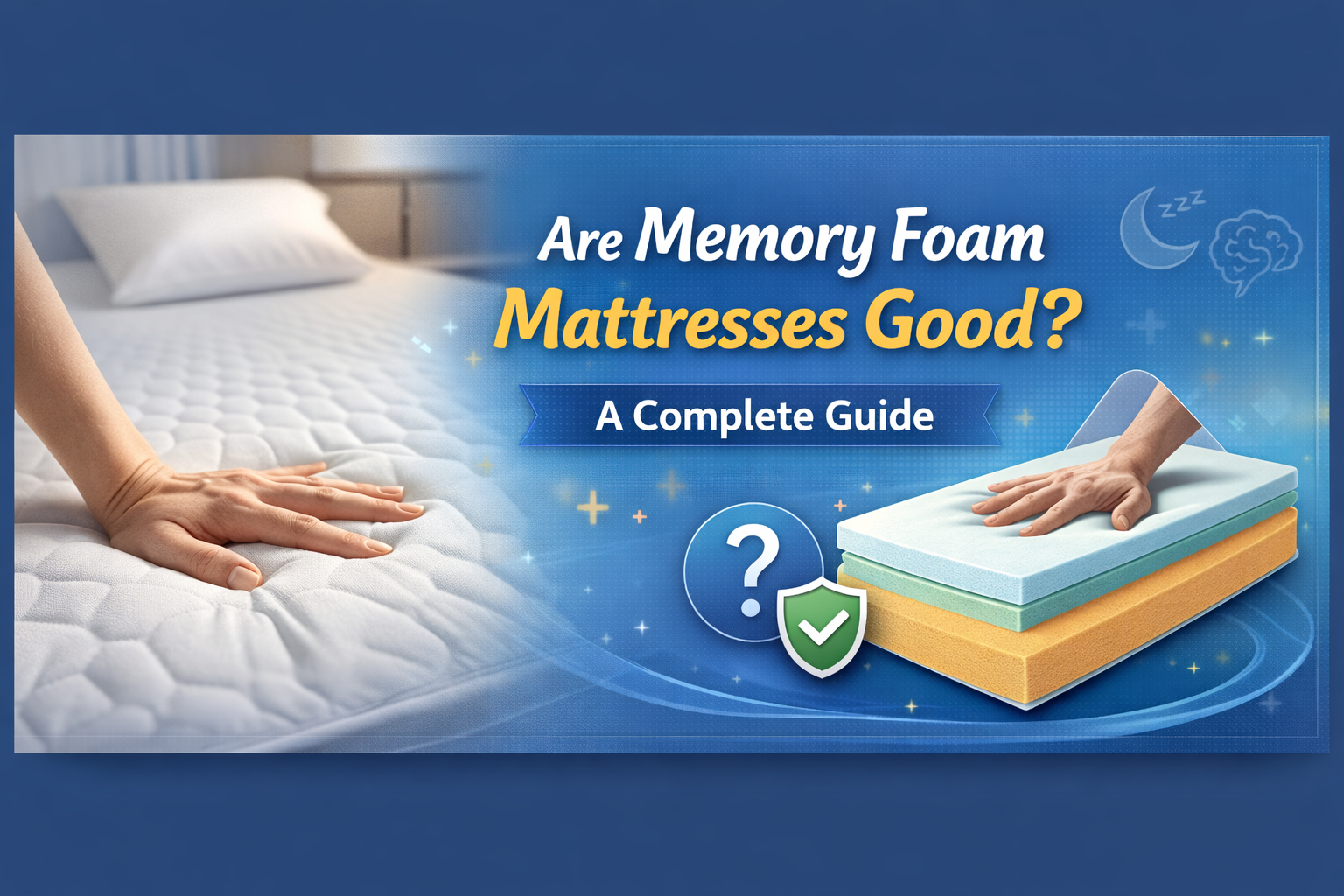
When it comes to choosing the perfect mattress, the options can be overwhelming. From pocket springs to hybrid mattresses, there is no shortage of choices. One type that has gained significant popularity over the past few decades is the memory foam mattress. But are memory foam mattresses actually good? In this comprehensive guide, we’ll explore everything you need to know about memory foam mattresses, from their benefits and drawbacks to tips for choosing the right one for your needs in the UK.
What is a Memory Foam Mattress?
A memory foam mattress is made from viscoelastic foam, a material that responds to heat and pressure. When you lie on a memory foam mattress, it molds to your body shape, providing personalised support. This unique characteristic is what sets it apart from traditional spring mattresses. Originally developed by NASA in the 1960s to improve aircraft seat cushioning, memory foam is now widely used in home mattresses due to its comfort and support properties.
Benefits of Memory Foam Mattresses
Memory foam mattresses offer several advantages, making them a popular choice in the UK. Here are the main benefits:
1. Exceptional Pressure Relief
Memory foam evenly distributes your body weight, reducing pressure on your hips, shoulders, and joints. This can be particularly beneficial for those with chronic pain or arthritis, helping to reduce discomfort while sleeping.
2. Superior Support
Unlike traditional spring mattresses, memory foam provides consistent support. It adapts to your body’s contours, keeping your spine in alignment. This reduces the risk of back pain and ensures a more restful night’s sleep.
3. Motion Isolation
If you share a bed, motion transfer can be a major issue. Memory foam absorbs movement, so you won’t feel your partner shifting during the night. This feature is highly valued by couples across the UK.
4. Hypoallergenic Properties
Memory foam is naturally resistant to dust mites and allergens, making it a suitable option for allergy sufferers. Combined with a good mattress protector, it can help maintain a clean and healthy sleep environment.
5. Durability
High-quality memory foam mattresses tend to be long-lasting. While cheaper options may sag over time, investing in a good-quality mattress can provide 7–10 years of reliable use.
Drawbacks of Memory Foam Mattresses
While memory foam mattresses have many benefits, it’s important to be aware of potential downsides:
1. Heat Retention
Traditional memory foam can retain body heat, making it less ideal for hot sleepers. However, newer models often include gel-infused layers or open-cell designs to improve airflow and regulate temperature.
2. Initial Odour
Some memory foam mattresses have a chemical smell when first unpacked, known as off-gassing. This is temporary and usually dissipates within a few days in a well-ventilated room.
3. Weight
Memory foam mattresses are often heavier than spring mattresses, which can make moving or rotating them more challenging. Consider this if you plan to rearrange your bedroom frequently.
4. Price
High-quality memory foam mattresses can be more expensive than other options. However, considering their durability and benefits, many consider them a worthwhile investment.
Different Types of Memory Foam Mattresses
There are several types of memory foam mattresses available in the UK. Understanding the differences can help you make the right choice:
1. Traditional Memory Foam
This is the classic viscoelastic foam, providing full-body contouring and pressure relief. Best suited for those seeking maximum support and comfort.
2. Gel Memory Foam
Infused with gel beads or layers, these mattresses are designed to reduce heat retention. Ideal for people who sleep hot or live in warmer climates.
3. Plant-Based Memory Foam
Made from natural ingredients such as soy or castor oil, plant-based memory foam is eco-friendly and offers similar support and comfort as traditional foam.
4. Hybrid Memory Foam
Hybrid mattresses combine memory foam with pocket springs or latex layers. This gives a balance of contouring support and traditional bounce, making it a versatile option.
Choosing the Right Memory Foam Mattress in the UK
Selecting the right memory foam mattress depends on your personal preferences and sleeping habits. Here are some key factors to consider:
1. Firmness
Memory foam mattresses come in various firmness levels, from soft to extra firm. Generally:
- Soft: Ideal for side sleepers.
- Medium: Suitable for combination sleepers.
- Firm: Best for back and stomach sleepers who need extra support.
2. Mattress Thickness
Most memory foam mattresses range between 20cm and 35cm. Thicker mattresses provide better support and durability, especially for heavier individuals.
3. Temperature Regulation
If you tend to sleep hot, look for mattresses with gel-infused memory foam or open-cell foam, which enhance airflow and keep you cooler at night.
4. Edge Support
Some memory foam mattresses have reinforced edges, which prevent sagging and provide more usable surface area.
5. Budget
While high-quality memory foam mattresses are more expensive, they are often worth the investment for long-term comfort and durability. Compare options carefully to find one that fits your budget without compromising quality.
Memory Foam Mattresses vs. Other Types
It’s helpful to compare memory foam mattresses to other popular types available in the UK:
| Mattress Type | Pros | Cons |
|---|---|---|
| Memory Foam | Pressure relief, motion isolation | Can sleep hot, heavier |
| Pocket Spring | Good airflow, bounce | Less contouring, motion transfer |
| Hybrid | Balanced support, reduced motion | Can be expensive |
| Latex | Eco-friendly, resilient | Can be firm, expensive |
For those seeking personalised support and reduced partner disturbance, memory foam often comes out ahead.
Caring for Your Memory Foam Mattress
Proper care can extend the life of your memory foam mattress:
- Use a Mattress Protector: Protects against spills, dust mites, and allergens.
- Rotate Regularly: Rotate your mattress every 3–6 months to prevent sagging.
- Avoid Excess Moisture: Memory foam can absorb moisture, so avoid washing it or exposing it to damp environments.
- Air Out: Occasionally airing your mattress can reduce odours and maintain freshness.
Are Memory Foam Mattresses Good for the UK Climate?
UK homes can be cooler than other countries, which can affect how memory foam feels. Traditional memory foam retains heat, which can be comforting in colder months. However, during summer, consider ventilated or gel-infused memory foam to avoid overheating. Overall, with the right type, memory foam mattresses are highly suitable for UK bedrooms.
Memory Foam Mattress for Different Sleepers
Side Sleepers
Memory foam is ideal for side sleepers because it cushions the shoulders and hips, reducing pressure points.
Back Sleepers
A medium to firm memory foam mattress supports the spine’s natural curve, keeping the lower back aligned.
Stomach Sleepers
A firmer memory foam mattress is better for stomach sleepers to prevent sagging and spinal misalignment.
Frequently Asked Questions
How long do memory foam mattresses last?
High-quality memory foam mattresses can last 7–10 years with proper care.
Can memory foam mattresses be used on adjustable beds?
Yes, most memory foam mattresses are flexible enough for adjustable bed bases.
Do memory foam mattresses cause allergies?
Memory foam is resistant to dust mites and allergens, making it a good option for allergy sufferers.
Where can I buy a memory foam mattress in the UK?
You can explore a wide range of options at excellencybeds, where quality and comfort come first. They offer expert advice to help you choose the best mattress for your needs.
Why Choose a Memory Foam Mattress?
Memory foam mattresses provide a unique combination of comfort, support, and durability. They are particularly beneficial for people with back pain, joint issues, or those who share a bed with a restless partner. When you choose the right firmness and type, a memory foam mattress can significantly improve sleep quality.
Conclusion
So, are memory foam mattresses good? The answer is yes—especially when you invest in a high-quality mattress that meets your personal needs. They offer excellent pressure relief, motion isolation, and long-lasting comfort, making them a top choice in the UK market.
If you’re considering upgrading your sleep, visit excellencybeds to explore a curated selection of memory foam mattresses. With the right choice, you can enjoy a better night’s sleep and wake up feeling refreshed every day.